العودة إلى الصفحة الرئيسية للمدونة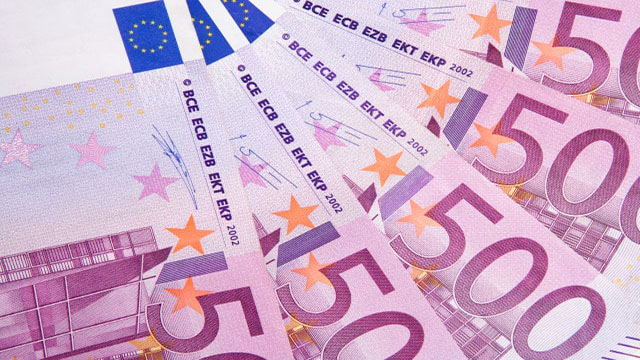
 31/03/26
 488
488
Euro Edges Higher as US Dollar Softens Amid Geopolitical Tensions
The euro has experienced modest gains against the US dollar amid a backdrop of mixed economic signals and geopolitical tensions. Despite heightened safe-haven demand driven by ongoing Middle East concerns, the EUR/USD pair has moved slightly higher, trading near 1.1480 during Tuesday’s Asian trading hours after losing ground over the past five days.
Market participants are closely watching upcoming economic indicators from Europe, including German retail sales and unemployment data for February, along with preliminary Eurozone Harmonized Index of Consumer Prices (HICP) figures for March. These releases are expected to influence currency movements as investors gauge the region’s economic momentum amid inflationary pressures stemming from recent geopolitical shocks.
European policymakers remain vigilant, with comments from the Bank of France’s governor indicating readiness to intervene if energy-driven inflationary trends spill over into broader price increases. The energy market’s response to geopolitical events, particularly the potential impact of tensions related to Iran, is forecasted to push inflation higher in the near term. However, the European Central Bank (ECB) has emphasized that controlling initial inflation surges remains beyond its direct influence, though it will monitor developments closely.
Meanwhile, the US dollar has softened amid a decline after a period of sustained gains, even as safe-haven demand persists. The Wall Street Journal reported that U.S. President Donald Trump may be open to ending the conflict with Iran without resolving issues surrounding the Strait of Hormuz, a move that introduces upward risks for crude oil prices and energy markets. Federal Reserve officials, including Chairman Jerome Powell, reassured markets that long-term inflation expectations remain intact despite geopolitical uncertainties. They also highlighted the flexibility of US monetary policy to respond if economic conditions require adjustments.
The euro remains the second most traded currency globally, with significant influence stemming from the European Central Bank’s monetary policy stance. The ECB’s decisions are largely driven by inflation metrics, particularly the HICP, and economic indicators across key member states like Germany, France, Italy, and Spain. Strong economic data could bolster the euro, while signs of a slowdown or lower inflation may weigh on its value in the foreign exchange markets.








 Promotions