Back to the Blog Main Page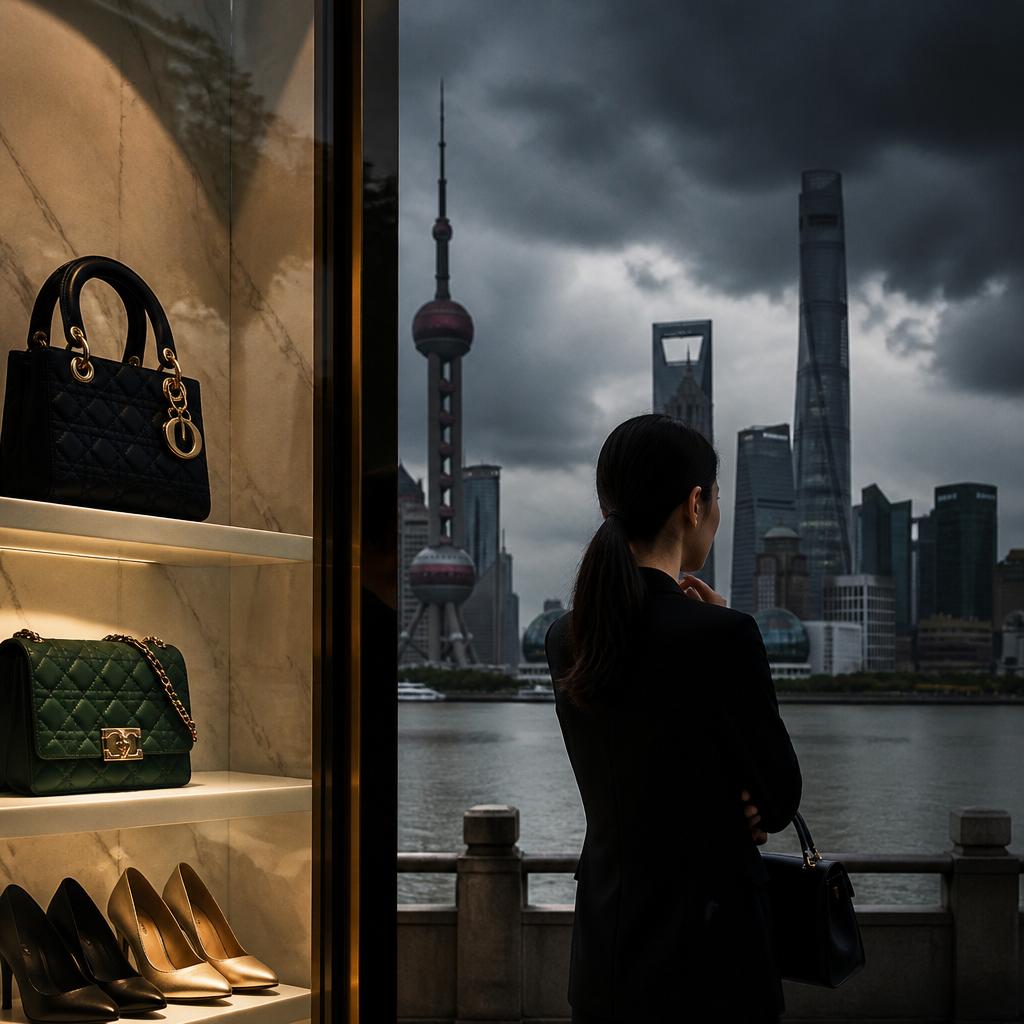
 09/10/26
 19
19
China tax crackdown adds pressure on luxury brands as US spending cools
China’s tax crackdown on wealthy individuals is adding another layer of pressure on luxury brands, according to Reuters, which reported that the move comes as the sector is already dealing with fallout from the Iran war and signs of slowing consumer spending in the United States. The combination points to a more difficult demand backdrop for high-end labels that rely on affluent shoppers across major markets.
What happened?
Reuters said China’s tax crackdown on wealthy individuals has become the latest headache for luxury brands. The report did not give a timing detail beyond describing the crackdown as a current development, but it framed the policy shift as part of a broader set of challenges facing the industry.
For luxury companies, the issue is not just about taxes. It is about how policy and geopolitics can affect consumer confidence, spending patterns and cross-border demand at the same time.
Why does this matter for luxury brands?
Luxury labels depend heavily on high-income consumers, and China has long been one of the most important markets for premium goods. A tax crackdown aimed at wealthy individuals can make shoppers more cautious, even if the products themselves are still in demand.
The Reuters report also said the sector is already grappling with fallout from the Iran war. That adds a geopolitical layer to what is already a consumer-driven story, with brands facing a mix of sentiment pressure and spending uncertainty.
At the same time, Reuters pointed to signs of slowing consumer spending in the United States. That matters because the U.S. is another major market for luxury goods, and weaker spending there would compound any softness elsewhere.
China tax crackdown on luxury brands: what should traders watch?
For traders following luxury-related equities and consumer discretionary names, the key question is whether these pressures start to show up in sales commentary, margin outlooks or inventory trends. The Reuters report does not cite any earnings figures or company-by-company guidance, but it does highlight a multi-market demand risk that could weigh on sentiment across the sector.
What makes the story notable is the overlap of several negative forces at once. That can matter even when no single development is severe on its own.
- China policy risk: tax enforcement may curb enthusiasm among wealthy buyers.
- Geopolitical drag: fallout from the Iran war adds another source of uncertainty.
- U.S. demand weakness: slower consumer spending in the United States could limit offsetting growth.
What is next?
Reuters did not report a specific policy response from luxury companies or a timeline for how long the pressure might last. For now, the takeaway is that luxury brands are facing a tougher operating environment from multiple directions, and investors will likely keep watching whether the strain shows up in broader sector performance.
If spending weakens further in China or the U.S., the sector could remain under pressure. If the tax crackdown changes buying behaviour among wealthy consumers, luxury names with the greatest exposure to premium demand may feel it first.
Bottom line for traders
The Reuters report suggests luxury brands are confronting a cluster of demand risks rather than a single event. That makes the current setup more about sustained sentiment pressure than a one-off headline.
Risk disclaimer: This article is for information only and is not investment advice; commodity-linked and consumer sector markets can move sharply based on policy, geopolitics and spending data.







 Promotions