Back to the Blog Main Page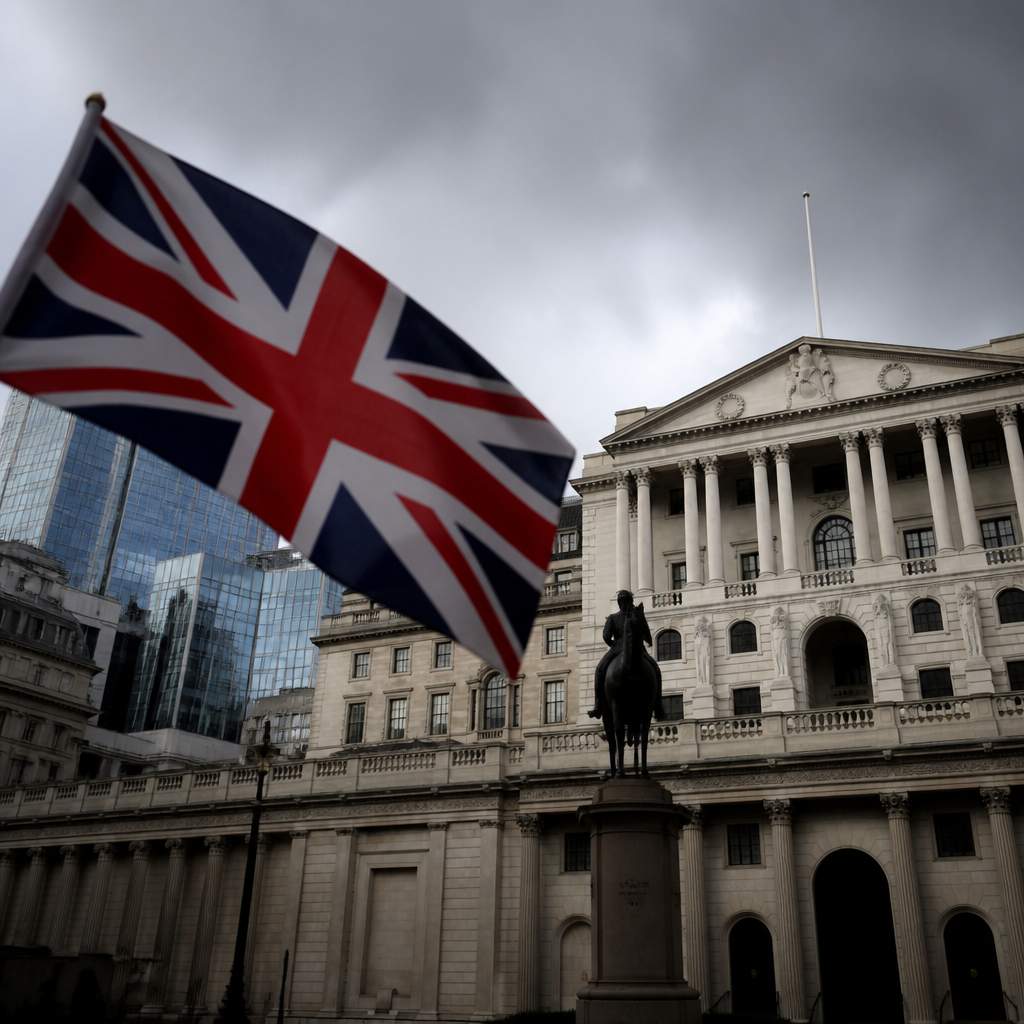
 09/09/26
 175
175
British Pound Strength Fades as Traders Reprice Bank of England
The British pound has been one of the stronger G10 currencies so far this year, but that outperformance is starting to lose momentum as traders scale back expectations for Bank of England tightening. According to the source report, the currency has gained against many peers year to date, yet its earlier strength has begun to fade as the BoE is now seen as more dovish than the euro area and the U.S.
What happened?
The source says the pound has risen against many of its peers in the year to date, making it something of a surprise winner in the G10 space. But that rally has not held its pace. Traders are now less convinced that the Bank of England will need to respond aggressively on rates, and that shift is weighing on sentiment toward sterling.
The catalyst behind the earlier bullish view was a possible inflationary shock tied to the Iran war. Traders had thought that shock might force the BoE to hike interest rates. That assumption has since weakened, changing the market’s view of how much policy support the pound might receive.
Why does the British pound matter for traders?
For currency traders, the pound is closely tied to relative interest-rate expectations. When markets think the Bank of England may tighten policy faster than other major central banks, sterling often benefits. When those expectations fade, the currency can lose appeal even if the broader trend had been positive earlier in the year.
The source makes the comparison explicit: the BoE is now viewed as more dovish than both the euro area and the U.S. That matters because relative policy stance is often a key driver of G10 exchange rates. If peers are expected to stay firmer on rates, sterling can lag even after a strong start to the year.
What traders are watching
- Bank of England rate expectations: the main driver behind the pound’s changing tone.
- Comparisons with the euro area and U.S.: the source says both now look less dovish than the BoE.
- Any renewed inflation shock: traders had earlier linked the Iran war to a potential inflationary impulse.
- Whether year-to-date gains hold: the pound has still gained against many peers, even as the rally cools.
What is the market saying now?
Based on the source report, the market has moved from expecting a possible BoE response to inflationary pressure toward a more cautious view on sterling. The pound’s earlier advance suggests there was already confidence in the currency, but the fading momentum implies traders are now reassessing whether that strength can continue without a stronger policy tailwind.
The key change is not that the pound has suddenly reversed course. Instead, the source points to a loss of upside momentum. That distinction matters: a currency can remain relatively firm while still underperforming the expectations that supported it earlier.
What could happen next?
If traders continue to believe the Bank of England will stay more dovish than the euro area and the U.S., the pound may struggle to extend its earlier gains. On the other hand, any renewed inflation concern or shift in policy expectations could revive support. For now, the source suggests the market is leaning toward less aggressive BoE action than it had previously priced in.
That leaves sterling in a more vulnerable position than it was when investors were focused on a possible rate-hike response to the Iran war-linked inflation shock. The currency’s year-to-date outperformance is still part of the picture, but the easy part of the move may already be behind it.
What does this mean for commodities-linked markets?
While the source focuses on currency moves rather than raw materials, sterling can still matter for traders with exposure to globally priced assets. Shifts in the pound often feed into broader market positioning, especially when rate expectations change across major economies. As of the source report, the main message is that policy divergence is back in focus.
For traders, that means the pound’s path may depend less on its earlier momentum and more on whether the Bank of England is seen as willing to keep pace with peers on interest rates. Until that changes, sterling’s surprise-star status looks less secure.
Risk disclaimer: Markets can move quickly, and currency prices may change on new policy or geopolitical developments.








 Promotions