Back to the Blog Main Page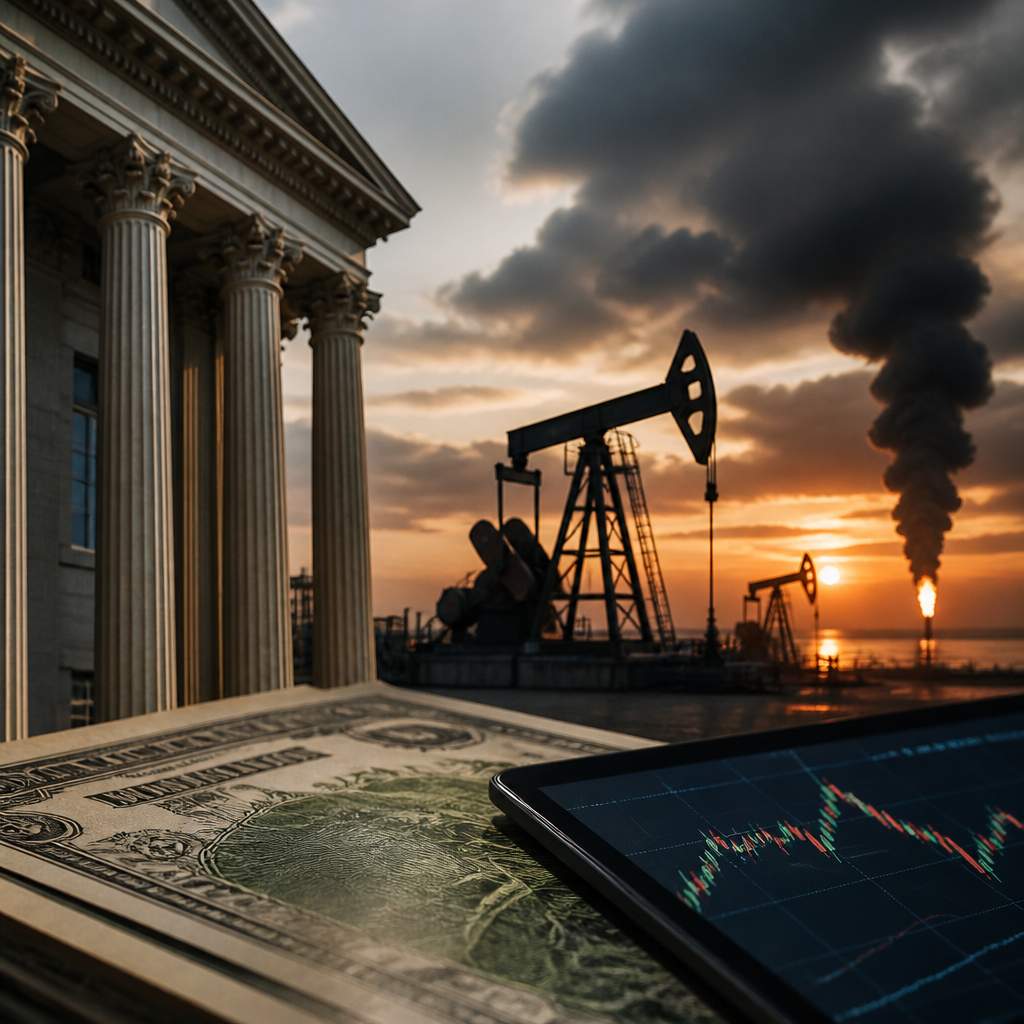
 28/09/26
 20
20
Treasury Yields Rise as U.S.-Iran Stalemate Lifts Oil Prices
Treasury yields rose in Asian trade on Monday as a fresh setback in efforts to resolve the Middle East conflict pushed oil prices higher, according to WSJ.com. The move shows how quickly diplomatic deadlock can ripple beyond geopolitics and into commodities and rates, with crude gaining as traders reacted to the latest stall in U.S.-Iran diplomacy.
What happened?
As of Monday’s Asian session, Treasury yields were moving higher after what the source described as yet another setback in talks aimed at easing the Middle East conflict. The immediate market response was a rise in oil prices, a familiar reaction when tensions in the region worsen or hopes for de-escalation fade.
The source did not provide a level for yields or oil, and it did not name a specific benchmark crude. Even so, the direction of travel was clear: weaker diplomatic progress supported oil, while bond markets adjusted to the shift in risk sentiment.
Why did oil prices move higher?
Oil often reacts first to Middle East headlines because the region remains central to global supply and shipping routes. When negotiations stall or tensions deepen, traders tend to price in a greater chance of disruption, even if no immediate supply loss has been reported.
That is the core message in this report. The setback in U.S.-Iran diplomatic efforts did not need to come with a formal supply announcement to affect prices. The market moved on the prospect of continued uncertainty alone.
Treasury yields rise amid U.S.-Iran diplomatic stalemate
The rise in Treasury yields matters because it suggests investors were also reassessing the outlook for inflation, growth, and safe-haven demand. Higher oil prices can feed through to broader inflation expectations, which often weighs on bond prices and pushes yields up.
For commodity traders, the key point is not just the bond move itself. It is the chain reaction: political stalemate in the Middle East lifts crude, and that in turn can influence the fixed-income market and broader asset pricing.
What traders were likely watching
- Diplomatic progress: any sign that U.S.-Iran efforts could restart or break down further.
- Oil price reaction: whether crude would extend gains or fade once the initial headline response passed.
- Bond market follow-through: whether Treasury yields would continue rising as energy costs moved higher.
The source points to a classic risk-off catalyst for energy markets, but the bond response adds an extra layer. Rising yields can reflect expectations that stronger energy prices may feed inflation pressures, even if the move is initially driven by geopolitics rather than economic data.
Why does this matter for commodities traders?
For traders focused on commodities, this kind of headline is a reminder that oil is not just a supply-and-demand story. It is also a geopolitical market, where developments in diplomacy can quickly change pricing. When the Middle East becomes more unstable, crude often becomes the first asset to reprice.
The reaction can spread further. Higher oil prices can reshape sentiment across energy-linked assets and influence macro markets such as Treasuries. That makes these headlines important for anyone trading not only crude, but also rate-sensitive instruments and broader risk assets.
What is next?
Based on the source alone, the next catalyst will be any fresh development in the Middle East conflict or the U.S.-Iran diplomatic process. If the stalemate continues, oil may remain supported by geopolitical risk. If progress resumes, some of that premium could unwind.
For now, the market signal from Monday’s Asian trade was straightforward: stalled diplomacy pushed oil higher, and Treasury yields followed higher as well. Traders will likely keep watching whether the move becomes a short-lived reaction or the start of a broader repricing.
Risk disclaimer: Commodity and rates markets can move quickly on geopolitical headlines, and prices can reverse without warning.





 Promotions