Back to the Blog Main Page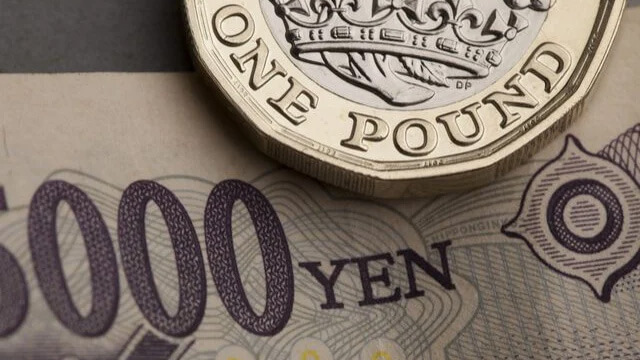
 26/02/26
 824
824
GBP/JPY Dips as BoJ Signals Possible Rate Hikes Amid Political Unease
The GBP/JPY currency pair experienced a modest decline of 0.3%, trading near the 211.30 level during the early European session. This pullback follows a recent sharp ascent, which was largely driven by developments in Japanese monetary policy. The Bank of Japan’s Governor Kazuo Ueda indicated an openness to further interest rate increases in the coming months, a stance that has influenced market sentiment.
In an interview published on Tuesday, Ueda suggested that the central bank would evaluate economic data in the upcoming March and April meetings to determine whether to implement additional rate hikes within the year. He emphasized that the Bank’s fundamental approach remains geared toward raising interest rates if the economic outlook and inflation forecasts show signs of materializing as projected. Despite this, market participants remain skeptical that any significant rate hikes are imminent, especially given political considerations.
Recent reports have highlighted internal disagreements within Japan’s government regarding monetary policy. A meeting between Prime Minister Sanae Takaichi and Ueda revealed differing views on the potential for further rate increases. Takaichi’s stance appears to favor a more cautious approach, which, coupled with discussions around the nominations of two new board members — Toichiro Asada and Ayano Sato — has added uncertainty over the BoJ’s future monetary direction. Such political and personnel considerations tend to weigh on the Japanese Yen, limiting its recent gains.
Meanwhile, the British pound remains relatively stable against other major currencies. Investors continue to anticipate a rate cut from the Bank of England at its upcoming policy meeting in March. Expectations for dovish monetary policy are driven by signs of a weakening labor market and slowing inflation in the UK. Some policymakers, including MPC member Alan Taylor, have publicly supported the idea of two to three rate reductions in the near term, citing risks associated with employment and easing inflation pressures.








 Promotions